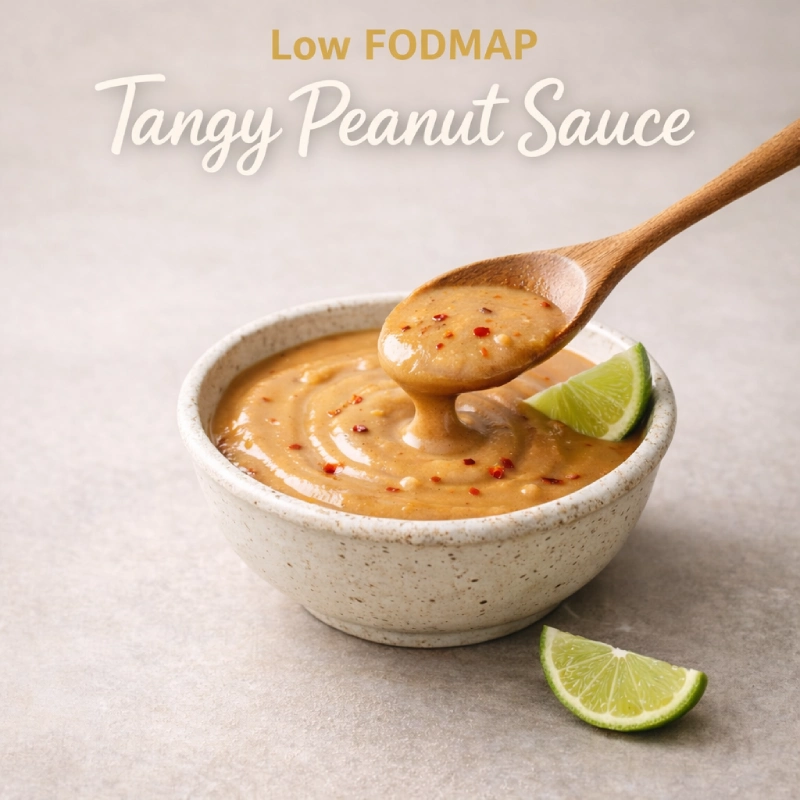
If you’ve ever missed that rich, creamy, slightly tangy peanut sauce while following a low FODMAP diet, I have wonderful news for you: you don’t have to give it up. This Low FODMAP Tangy Peanut Sauce is everything you want: bold, balanced, and deeply satisfying, without triggering uncomfortable digestive symptoms.
Whether you’re managing IBS, navigating SIBO, or simply trying to reduce bloating, this sauce is designed to bring joy back to your meals. It’s quick to prepare, incredibly versatile, and uses carefully selected ingredients that align with the latest guidance from Monash University.
Let’s walk through everything you need to know to enjoy this recipe confidently and deliciously.
Table of Contents
Why You’ll Love This Low FODMAP Peanut Sauce
This isn’t just another sauce; it’s a small kitchen hero.
A gentle yet flavourful option for sensitive digestion
Many traditional peanut sauces include garlic, onion, or honey, all of which can be problematic for people following a low FODMAP diet. This version replaces those triggers with gut-friendly alternatives, without sacrificing flavour.
Quick and effortless
You only need a handful of ingredients and about 5 minutes. No cooking required; just mix and enjoy.
Incredibly versatile
This sauce pairs beautifully with:
- Rice noodles or gluten-free noodles
- Grilled chicken, tofu, or prawns
- Stir-fried vegetables
- Fresh salads or Buddha bowls
- Spring rolls or rice paper wraps
It’s one of those recipes you’ll find yourself making again and again.
Ingredients (Low FODMAP Approved)
Here’s what you’ll need:
- ½ cup natural peanut butter (creamy or crunchy)
- 2 tbsp low-sodium tamari
- ½ tbsp fresh ginger, finely grated
- ½ tbsp maple syrup
- 2 tbsp rice vinegar (or lime juice)
- ¼–½ tsp red pepper flakes (optional)
- 2–4 tbsp filtered water (to adjust consistency)
Understanding the Ingredients (And Why They Work)
Peanut Butter: Creamy, satisfying, and safe in moderation
Natural peanut butter is low FODMAP at typical serving sizes. It provides:
- Healthy fats for satiety
- A rich, nutty flavour
- Creaminess without dairy
👉 Choose peanut butter without added high FODMAP ingredients like honey or high-fructose corn syrup.
Tamari: The low FODMAP soy sauce alternative
Tamari is typically gluten-free and easier to tolerate than regular soy sauce. It adds:
- Umami depth
- Saltiness that balances the sweetness
Ginger: A digestive ally
Fresh ginger is not only low FODMAP but also soothing for the gut. It may help:
- Reduce nausea
- Support digestion
- Add a gentle warmth to the sauce
Maple Syrup: A safe sweetener
Unlike honey (which is high in fructose), maple syrup is low FODMAP in moderate amounts and provides:
- Natural sweetness
- Balance to acidity and saltiness
(It’s worth noting that honey remains high in fructose according to recent updates , so swapping it for maple syrup is a smart, gut-friendly choice.)
Rice Vinegar or Lime Juice: The tangy element
This is what gives the sauce its signature brightness. Both options are low FODMAP and:
- Enhance flavour
- Balance richness
- Add freshness
Red Pepper Flakes: Optional heat
If tolerated, a small pinch adds a lovely kick. If your gut is sensitive to spice, feel free to skip this.
Water: Your texture control
Start with 2 tablespoons and add more gradually until you reach your desired consistency, whether thick for dipping or thinner for drizzling.
How to Make Low FODMAP Tangy Peanut Sauce
Step-by-step instructions
- Add all ingredients (except water) to a mixing bowl.
- Whisk or stir until well combined.
- Gradually add water, 1 tablespoon at a time, until smooth and pourable.
- Taste and adjust:
- More vinegar/lime for tang
- More maple syrup for sweetness
- More tamari for saltiness
That’s it; your sauce is ready!
Texture Tips: Getting It Just Right
For dipping (thicker)
- Use less water (2 tbsp or less)
- Perfect for spring rolls or skewers
For drizzling (medium)
- Use 3 tbsp water
- Ideal for bowls and salads
For noodles or stir-fries (thinner)
- Use 4 tbsp water
- Helps coat ingredients evenly
Serving Ideas (So You Never Get Bored)
Quick lunch bowl
- Rice or quinoa
- Grilled chicken or tofu
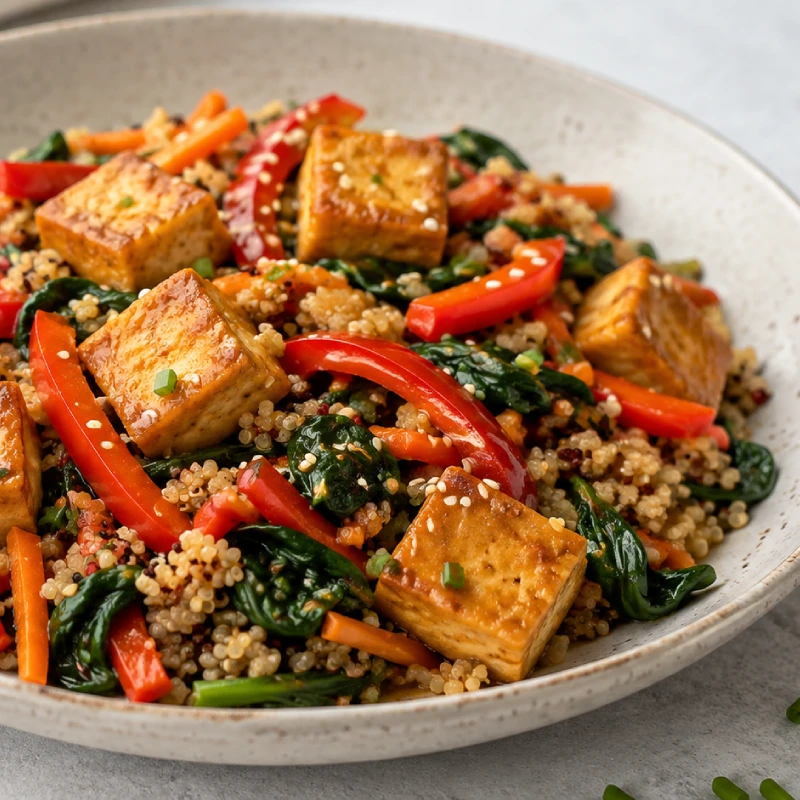
- Steamed carrots, spinach, zucchini
- Drizzle generously with peanut sauce
Low FODMAP noodle dish
- Rice noodles
- Stir-fried vegetables
- Protein of choice
- Toss with sauce
Fresh summer rolls
- Rice paper wraps
- Lettuce, cucumber, carrot
- Prawns or tofu
- Dip into thick peanut sauce
Salad dressing upgrade
Thin the sauce slightly and use it as a creamy dressing, absolutely delicious.
Storage and Meal Prep Tips
- Store in an airtight container in the fridge for up to 5 days
- It may thicken; just add a splash of water and stir before serving
- You can prepare it ahead for the week
Is This Sauce Truly Low FODMAP?
Yes, when consumed in appropriate portions.
The ingredients have been selected carefully based on current evidence and updates from Monash University, including recent changes in food classifications.
A gentle reminder about portion sizes
Even low FODMAP foods can become problematic in large amounts. Listen to your body and:
- Start with small servings
- Monitor your symptoms
- Adjust as needed
Adapting the Recipe to Your Needs
For SIBO-friendly eating
- Keep portions moderate
- Avoid adding garlic or onion
- Consider reducing maple syrup slightly if needed
For extra protein
- Add a spoonful of powdered peanut protein
- Or pair with protein-rich foods like tofu or chicken
For a nut-free version
- Try sunflower seed butter instead
- Check tolerance individually
Common Mistakes to Avoid
Adding garlic or onion
These are high in fructans and can trigger symptoms even in small amounts.
Using regular soy sauce
Some brands contain wheat or additives that may not be well tolerated.
Over-sweetening
Too much sweetness can upset the balance and your digestion.
FAQ: Low FODMAP Tangy Peanut Sauce
Can I eat peanut sauce on a low FODMAP diet?
Yes, you can! The key is choosing the right ingredients. Traditional recipes often include garlic, onion, or honey, which are high FODMAP. This version uses gut-friendly alternatives so you can enjoy it without worry.
How much peanut sauce is safe for IBS?
It depends on your personal tolerance, but a small serving (2–3 tablespoons) is usually well tolerated. Start small and see how your body responds—your comfort is always the priority.
Can I make this sauce ahead of time?
Absolutely. It keeps well in the fridge for up to 5 days. Just give it a stir and add a splash of water if it thickens.
Is peanut butter always low FODMAP?
Natural peanut butter is low FODMAP in moderate servings. Always check labels to avoid added high FODMAP ingredients like honey or certain sweeteners.
What can I use instead of rice vinegar?
Lime juice works beautifully and adds a fresh, citrusy flavour. Both options are low FODMAP and equally delicious.
Can I freeze this peanut sauce?
It’s not ideal, as the texture may change slightly. It’s best enjoyed fresh or refrigerated for short-term use.