If you’ve ever stood in your kitchen wondering “is mustard low FODMAP?”, you’re absolutely not alone. Condiments can feel surprisingly confusing when you’re following a low FODMAP diet, especially because even small ingredients (like garlic or onion powder) can trigger symptoms.
The reassuring news? Mustard can be low FODMAP, but it depends on the type, ingredients, and portion size.
In this guide, we’ll gently walk through everything you need to know so you can enjoy your meals with confidence, not fear. Because food should feel safe, nourishing, and even joyful, even when you’re managing IBS or SIBO.
Table of Contents
What Is Mustard Made Of?
Before we answer whether mustard is low FODMAP, let’s take a moment to understand what it actually contains.
At its core, mustard is made from:
- Mustard seeds (yellow, brown, or black)
- Vinegar
- Water
- Salt
- Optional spices or flavourings
From a FODMAP perspective, plain mustard seeds are naturally low FODMAP, which is a great starting point.
However, the final product can vary quite a bit depending on added ingredients, and this is where things can get tricky.
Is Mustard Low FODMAP?
The Short Answer
Yes, most plain mustards are low FODMAP in typical serving sizes.
But (and this is important), not all mustards are created equal.
The Longer, More Helpful Answer
Mustard is generally considered low FODMAP because:
- Mustard seeds do not contain significant FODMAPs
- Vinegar (in small amounts) is low FODMAP
- Standard serving sizes are small (usually 1–2 teaspoons)
However, some varieties may contain:
- Garlic powder ❌ (high in fructans)
- Onion powder ❌ (high in fructans)
- Honey ❌ (high in fructose and fructans, as highlighted in recent updates )
So while mustard itself is usually safe, the ingredient list matters more than the label.
Which Types of Mustard Are Low FODMAP?
Let’s break this down so you can feel confident choosing the right one.
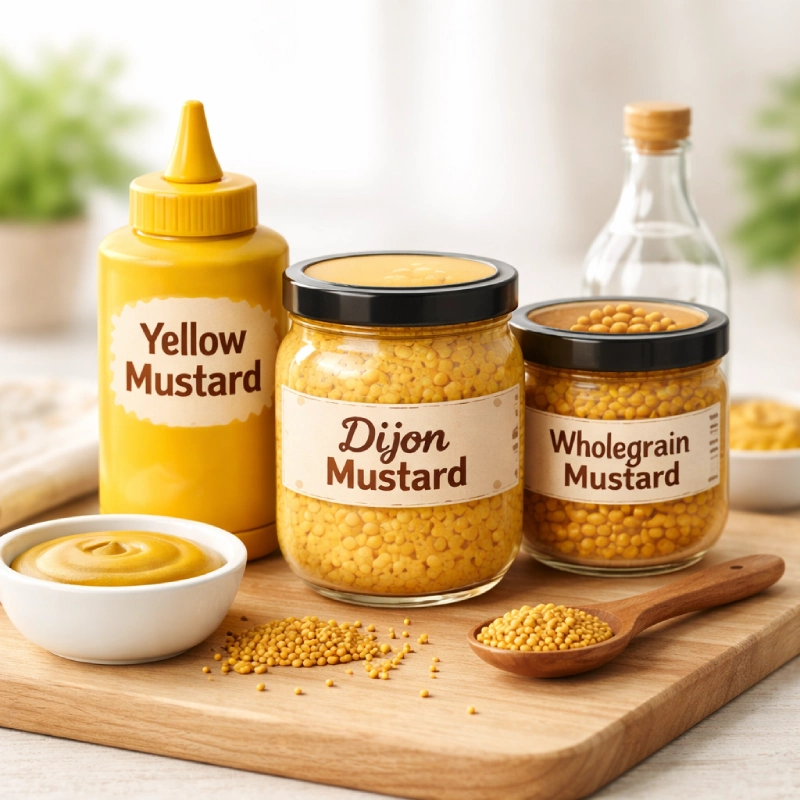
1. Yellow Mustard (Classic)
✅ Usually low FODMAP
This is the most common and generally safest option.
- Mild flavour
- Simple ingredients
- Typically free from garlic/onion
👉 Safe serving: 1–2 teaspoons
2. Dijon Mustard
✅ Often low FODMAP (with caution)
Dijon mustard usually contains:
- Mustard seeds
- Vinegar
- White wine
Most versions are low FODMAP, but always check for added onion or garlic.
👉 Tip: Choose traditional, simple-label Dijon.
3. Wholegrain Mustard
✅ Low FODMAP in small amounts
Wholegrain mustard contains visible mustard seeds and minimal processing.
- Usually well tolerated
- Adds texture and flavour
👉 Safe serving: 1 tablespoon (depending on ingredients)
4. Honey Mustard
⚠️ Not low FODMAP
This is where we need to pause gently.
Honey is high in fructose and fructans, and recent updates confirm its high FODMAP content .
Even small amounts may trigger symptoms in sensitive individuals.
👉 Best to avoid during the elimination phase.
5. Flavoured or Gourmet Mustards
⚠️ Check carefully
These may include:
- Garlic
- Onion
- Sweeteners
- Fruit concentrates
👉 Always read labels; this is where hidden FODMAPs love to hide.
Safe Serving Sizes: Why They Matter
Even low FODMAP foods can become problematic in large quantities. This is something many people don’t realise at first; and it can feel frustrating.
The good news?
Mustard is typically consumed in small amounts, which works in your favour.
Recommended Low FODMAP Serving
- 1–2 teaspoons = safe for most people
- Up to 1 tablespoon = often tolerated (if ingredients are clean)
Listen to your body here; it’s your best guide.
Ingredients to Watch Out For in Mustard
When choosing a mustard, take a gentle moment to scan the label.
🚫 High FODMAP Ingredients
Avoid mustards containing:
- Garlic powder
- Onion powder
- Honey
- High-fructose corn syrup
- Apple juice concentrate
✅ Low FODMAP-Friendly Ingredients
Look for:
- Mustard seeds
- Vinegar
- Salt
- Water
- Turmeric or spices (in small amounts)
Is Mustard Safe During the Elimination Phase?
Yes, with care.
During the elimination phase, your goal is to reduce symptoms as much as possible. So it’s important to keep things simple and predictable.
Best Choices During Elimination
- Plain yellow mustard
- Simple Dijon mustard
- Mustards with minimal ingredients
What to Avoid
- Sweet mustards
- Flavoured varieties
- Anything with garlic or onion
This approach helps you build a calm, stable baseline before reintroducing foods.
Mustard and the Reintroduction Phase
Once you reach reintroduction, things become more flexible, and a little more empowering.
The updated guidance from Monash emphasises how foods often contain multiple FODMAPs, which can influence tolerance .
For example:
- Honey mustard → fructose + fructans
- Garlic mustard → fructans
What This Means for You
You can use mustard strategically to:
- Test tolerance to small amounts of certain ingredients
- Observe how combinations affect your symptoms
Just remember: introduce one variable at a time when possible.
How to Enjoy Mustard on a Low FODMAP Diet
Now for the part that really matters: making food enjoyable again 💛
Here are some gentle, gut-friendly ways to include mustard in your meals:
🥗 Dressings
Mix:
- Mustard
- Olive oil
- Lemon juice
- Salt
A simple, delicious dressing with no hidden triggers.
🥪 Sandwiches & Wraps
Use mustard as a flavour boost instead of high FODMAP sauces like:
- Mayonnaise with garlic
- Sweet chutneys
🍗 Marinades
Combine mustard with:
- Herbs
- Oil
- Low FODMAP spices
Perfect for chicken, fish, or tofu.
🥔 Potato Dishes
Mustard pairs beautifully with:
- Roasted potatoes
- Potato salads (low FODMAP versions)
Common Mistakes to Avoid
Even with something as simple as mustard, a few common pitfalls can cause confusion:
1. Assuming All Mustards Are Safe
They’re not; ingredients matter.
2. Ignoring Portion Sizes
Even low FODMAP foods can stack up.
3. Overlooking Hidden Ingredients
Garlic and onion powders are very common.
4. Trusting “Healthy” Labels
“Natural” or “organic” doesn’t always mean low FODMAP.
A Gentle Word of Reassurance
If you’ve been feeling overwhelmed navigating condiments, you’re doing better than you think.
The low FODMAP diet has many small details, but each one you learn gives you more confidence, more calm, and more freedom with food.
And mustard? It’s one of those small wins you can safely enjoy, with just a bit of awareness.
Key Takeaways
- ✅ Mustard is generally low FODMAP
- ✅ Plain yellow, Dijon, and wholegrain are usually safe
- ⚠️ Avoid honey mustard and flavoured varieties with garlic/onion
- 📏 Stick to small servings (1–2 teaspoons)
- 🧾 Always check ingredients carefully
FAQs About Mustard and the Low FODMAP Diet
Is mustard low FODMAP for IBS?
Yes, most plain mustards are low FODMAP and well tolerated by people with IBS when consumed in small amounts.
Can I eat Dijon mustard on a low FODMAP diet?
Yes, as long as it doesn’t contain garlic or onion. Always check the ingredient list to be sure.
How much mustard can I eat on a low FODMAP diet?
A typical safe serving is 1–2 teaspoons. Some people tolerate up to 1 tablespoon depending on the ingredients.
Does mustard contain garlic or onion?
Some varieties do, especially flavoured or gourmet mustards. Always read labels carefully.
Can mustard trigger IBS symptoms?
Plain mustard is unlikely to trigger symptoms, but varieties with high FODMAP ingredients (like garlic, onion, or honey) can.