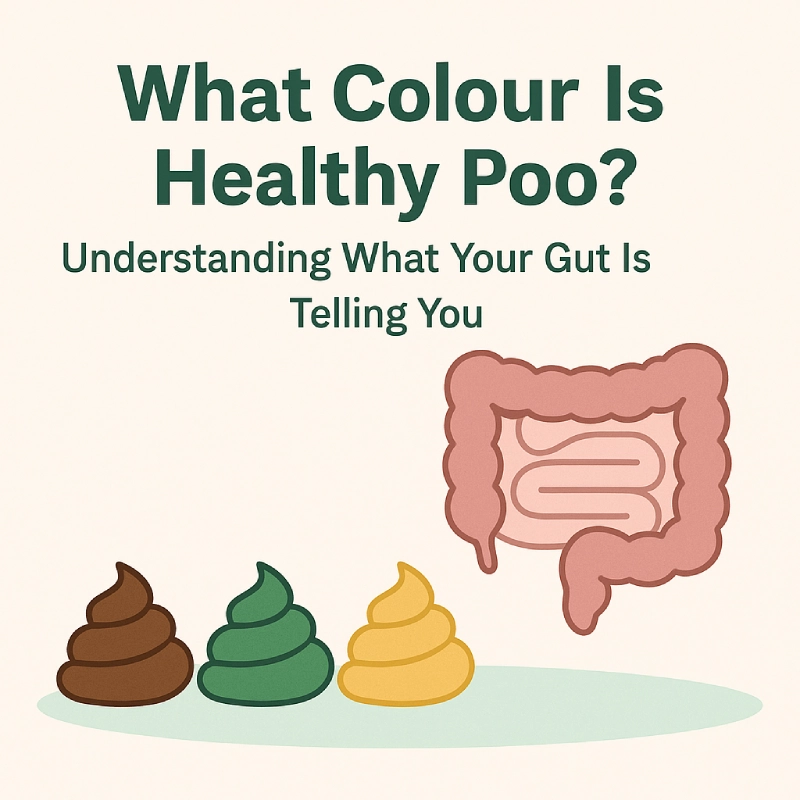
It might not be the most glamorous topic, but talking about poo is important. The colour, shape, and consistency of your stool can reveal a great deal about your digestion and overall gut health. Whether you’re living with a digestive condition or simply want to understand your body better, learning what colour is healthy poo can help you spot early signs of imbalance.
Let’s take a closer look (gently and informatively) at what’s normal, what’s not, and when you might want to check in with your healthcare provider.
Table of Contents
Why Stool Colour Matters
Your stool colour is influenced by what you eat, how your body digests fats and bile, and even by your gut bacteria. Bile, a yellow-green fluid produced by the liver, helps digest fat. As bile moves through your intestines, enzymes change its colour from green to brown. That’s why a medium to dark brown stool is usually a sign that your digestive system is working well.
Changes in stool colour are often temporary and caused by food or medication. However, persistent changes can point to an underlying issue such as malabsorption, liver problems, or inflammation.
What Colour Is Healthy Poo?
Let’s break down the different colours and what they might mean.
Brown: The Gold Standard
A medium to dark brown colour is considered healthy. It reflects normal bile production and digestion. Your poo should be soft, formed, and easy to pass; not too hard or watery.
Possible variations:
- Slightly lighter brown can occur if you’ve eaten more fibre or drank plenty of water.
- Darker brown may follow meals rich in iron or certain vegetables (like spinach).
Green: Often Harmless
Green stools can look alarming, but often they’re due to eating a lot of leafy greens or foods with green colouring. Sometimes, they occur when food moves too quickly through your intestines (for example, during diarrhoea), preventing bile from fully breaking down.
If it happens occasionally, it’s usually fine. But if it persists and you experience bloating or discomfort, it could be a sign of malabsorption, especially if you have IBS or SIBO.
Yellow or Pale: Time to Take Note
Pale, clay-coloured, or yellow stools can signal that bile isn’t reaching your intestines properly. This may occur if there’s a problem with your liver, gallbladder, or pancreas. Yellow, greasy stools can also mean fat isn’t being absorbed correctly, a condition called steatorrhoea.
Possible causes:
- Coeliac disease or other forms of malabsorption
- Gallstones or bile duct blockage
- Pancreatic enzyme deficiency
If your stool stays yellow or pale for more than a few days, it’s important to seek medical advice.
Black: Check Your Supplements and Diet
A black stool can look worrying, but before you panic, check whether you’ve had iron supplements, activated charcoal, or black liquorice, all of which can darken stool harmlessly.
However, tarry or jet-black stools can indicate bleeding higher up in the digestive tract, such as the stomach or oesophagus. If this happens unexpectedly, seek medical help promptly.
Red: Depends on the Source
Bright red stool might simply be due to foods like beetroot, tomatoes, or red velvet cake. But if you haven’t eaten anything red and notice streaks of blood, it could mean bleeding from the lower intestines, possibly from haemorrhoids, fissures, or inflammation.
Always rule out food colouring first, but if the red colour persists, don’t ignore it.
The Bristol Stool Chart: A Handy Guide
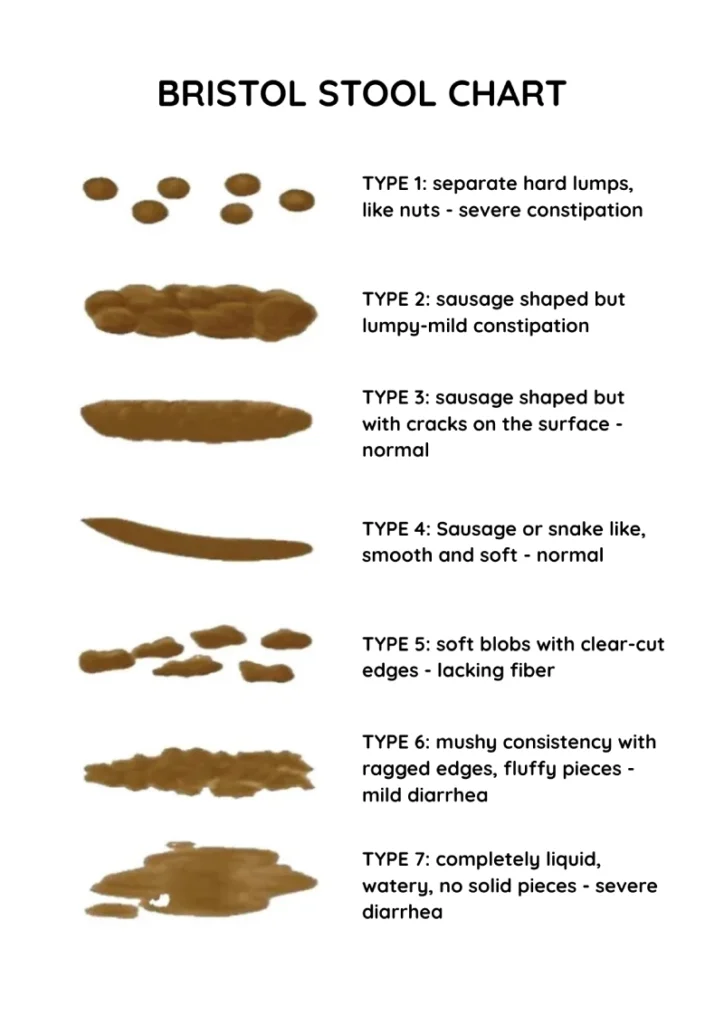
The Bristol Stool Chart helps you assess not just the colour but also the form of your stool. It ranges from Type 1 (hard lumps) to Type 7 (watery diarrhoea).
- Type 3–4: Soft, smooth, sausage-like; ideal!
- Type 1–2: Too hard; you might need more fibre or fluids.
- Type 5–7: Too loose; could signal intolerance, infection, or high FODMAP intake.
Aiming for Type 3 or 4 most days means your digestion is in balance.
Common Factors That Affect Stool Colour
1. Diet
Colour changes are often due to what you eat:
- Green vegetables → green poo
- Beets → reddish stool
- Iron-rich foods → darker stool
- Processed foods or artificial colourings → unpredictable shades!
2. Medications and Supplements
Iron, bismuth (e.g., Pepto-Bismol), and certain antibiotics can all alter stool colour temporarily.
3. Bile and Digestion Speed
If food moves too fast through your gut, bile doesn’t break down fully, leading to green or yellow hues. If it moves too slowly, stools can turn darker.
4. Gut Microbiome
Your gut bacteria also influence stool appearance. A balanced microbiome helps produce well-formed, brown stools, while dysbiosis (imbalance) can cause irregularities.
When to Seek Medical Advice
While occasional changes are normal, see a doctor if you notice:
- Persistent pale, black, or red stools
- Floating or greasy stools
- Ongoing diarrhoea or constipation
- Unexplained abdominal pain or weight loss
It’s always better to have a professional check if something feels off, especially if you live with IBS or digestive sensitivities.
When the Low FODMAP Diet Might Help
It’s important to clarify that the Low FODMAP diet is not a general solution for everyone with digestive discomfort. It is a clinically designed therapeutic diet, developed by Monash University, and should only be followed under professional guidance.
This diet is specifically recommended for individuals who have been diagnosed by their doctor or gastroenterologist with conditions such as:
- Irritable Bowel Syndrome (IBS)
- Small Intestinal Bacterial Overgrowth (SIBO)
- Endometriosis-related digestive issues
- Other medically identified gut disorders
If, after consultation with your healthcare provider, you receive one of these diagnoses, you’ll find clear, trustworthy information about how to navigate the Low FODMAP diet (including up-to-date reintroduction guidance and practical recipes) right here on our website.
For everyone else, focusing on a balanced, fibre-rich, whole-food diet is the best way to keep your stools regular and your gut happy.
Key Takeaways
- A medium to dark brown stool is the healthiest colour.
- Temporary colour changes often reflect your diet.
- Persistent pale, black, or red stools deserve medical attention.
- The Low FODMAP diet is suitable only for those diagnosed with specific digestive disorders and should be supervised by a healthcare professional.
FAQs About Stool Colour and Gut Health
What colour is healthy poo?
Healthy poo is medium to dark brown, soft, and well-formed. This shows normal bile function and balanced digestion.Healthy poo is medium to dark brown, soft, and well-formed. This shows normal bile function and balanced digestion.
Why is my stool green?
Green poo often comes from leafy greens, food colouring, or quick digestion. It’s usually harmless unless persistent.
Can the Low FODMAP diet change my stool colour?
Yes, but it should only be used if you’ve been diagnosed with IBS, SIBO, or a related condition. When followed correctly, it may help normalise bowel habits.
What if my stool is pale or yellow?
That may mean bile isn’t flowing properly or fat isn’t being absorbed. If it continues, consult your GP.
Does stress affect stool colour?
Stress can change how quickly food moves through your intestines, indirectly affecting stool colour and texture. Mindful eating and relaxation can help.
Final Thoughts
Noticing your stool colour isn’t just curiosity; it’s a window into your gut health. Whether you’re managing a diagnosed digestive condition or simply aiming for balance, understanding what colour is healthy poo helps you take better care of your body. And if your doctor recommends the Low FODMAP diet, you’ll find reliable, evidence-based guidance and recipes here to support your journey with calm and confidence.