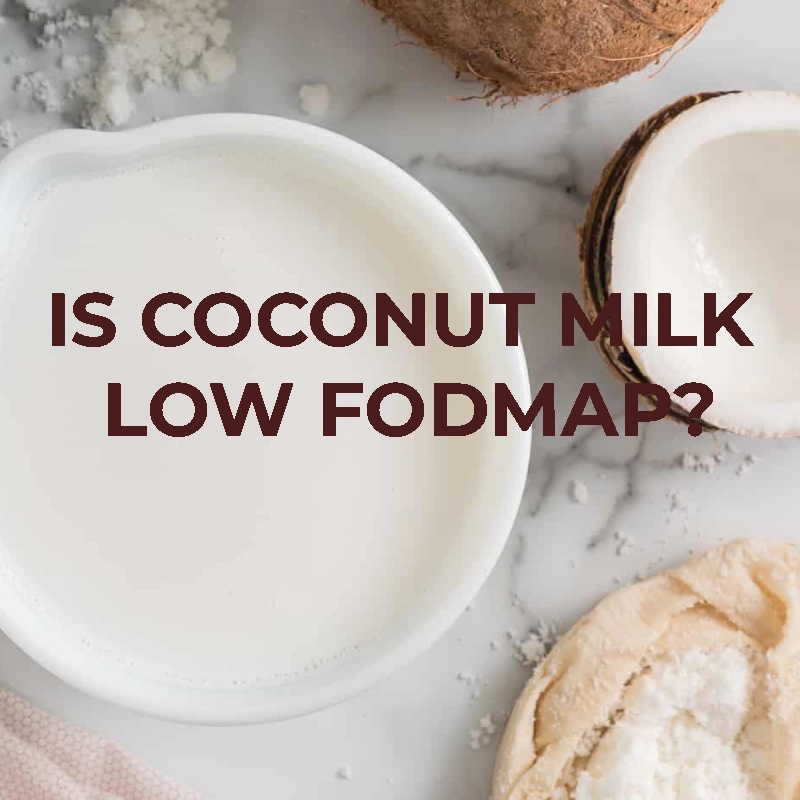
If you’ve ever stood in the supermarket aisle, can in hand, wondering “is coconut milk low FODMAP or will this upset my stomach?”; you’re not alone. Coconut milk is creamy, comforting, naturally dairy-free, and deeply loved in kitchens around the world. Yet for people living with IBS, SIBO, or chronic bloating, it can feel confusing and even risky.
Let’s take a deep breath together 🤍
In this article, we’ll answer is coconut milk low FODMAP? clearly, calmly, and accurately; using the latest research, practical serving sizes, and real-life advice you can actually use. My goal is to help you enjoy food again with confidence, not fear.
Table of Contents
What Does “Low FODMAP” Really Mean?
Before we zoom in on coconut milk, it’s worth gently revisiting what low FODMAP actually means, because this is where much online confusion starts.
FODMAPs in simple words
FODMAPs are a group of carbohydrates that can be poorly absorbed in the small intestine and rapidly fermented in the gut. For people with IBS or visceral hypersensitivity, this fermentation can lead to:
- Abdominal pain
- Bloating
- Gas
- Diarrhoea or constipation
FODMAP stands for:
- Fermentable
- Oligosaccharides
- Disaccharides
- Monosaccharides
- And
- Polyols
The Low FODMAP Diet was developed by researchers at Monash University, and remains the global gold standard for IBS dietary management.
💡 Important reminder: Low FODMAP does not mean FODMAP-free. It’s all about portion size.
Is Coconut Milk Low FODMAP?
The short answer
Yes, coconut milk can be low FODMAP, depending on the serving size.
The longer (and more helpful) answer
Coconut milk contains polyols, specifically sorbitol, which is a FODMAP that can trigger symptoms when consumed in larger amounts. However, at carefully defined portions, coconut milk is considered low FODMAP and suitable for the elimination phase of the diet.
According to laboratory testing used in the Monash FODMAP framework:
- Low FODMAP serve: up to 60 ml (¼ cup) of canned coconut milk
- Moderate–high FODMAP: larger servings due to increasing sorbitol content
This is why you may see coconut milk described online as both “low FODMAP” and “high FODMAP”; context and portion size matter enormously.
Why Coconut Milk Can Trigger Symptoms
Let’s gently unpack why coconut milk can sometimes cause trouble.
Coconut milk and sorbitol
Sorbitol is a sugar alcohol that:
- Is slowly absorbed
- Draws water into the intestine
- Is fermented by gut bacteria
For sensitive guts, this combination can lead to bloating, discomfort, or loose stools.
Fat content also plays a role
Coconut milk is naturally high in fat. While fat itself is not a FODMAP, it can:
- Slow gastric emptying
- Stimulate gut motility
- Exacerbate symptoms in people with IBS-D
This doesn’t mean you must avoid fat; only that portion awareness and timing are key.
Coconut Milk vs Coconut Cream vs Coconut Water
One of the most common sources of confusion is mixing up different coconut products.
Coconut milk
- Made from grated coconut flesh + water
- Creamy but pourable
- Low FODMAP at 60 ml
Coconut cream
- Thicker, higher fat, more concentrated
- Lower FODMAP limit (usually ¼ cup or less, depending on brand)
- More likely to trigger symptoms
Coconut water
- Extracted from young green coconuts
- Contains excess fructose in larger serves
- Low FODMAP only up to ~100 ml
💡 Tip: Always read labels; some products blend coconut milk and cream.
Is Coconut Milk Low FODMAP During the Elimination Phase?
Yes, when used correctly.
Safe ways to include coconut milk on low FODMAP
- Measure portions (don’t eyeball)
- Use as part of a meal, not alone
- Avoid stacking with other polyol-rich foods
Examples of low FODMAP uses
- A small splash in a curry with low FODMAP vegetables
- Mixed into soup and stretched with broth
- Used as part of a sauce shared across multiple servings
How Much Coconut Milk Is Low FODMAP?
This is the heart of the question “is coconut milk low FODMAP?”
Evidence-based serving size
- 60 ml (¼ cup) per serve = low FODMAP
- 120 ml or more = moderate to high FODMAP
Using more than this occasionally may be tolerated by some people, but during the elimination phase, precision really matters.
💛 Gentle reassurance: many people tolerate coconut milk beautifully once their gut settles.
Does Brand or Ingredients Matter?
Absolutely, yes.
What to look for on the label
Choose coconut milk with:
- Coconut extract + water only
- No inulin, chicory root, or “fibre”
- No apple, pear, or agave sweeteners
Avoid products with:
- Added gums if you’re sensitive
- “Barista” coconut milks (often higher FODMAP)
Coconut Milk in IBS, SIBO & Bloating
IBS
Coconut milk is often better tolerated than dairy cream, especially for people sensitive to lactose.
SIBO
Because SIBO involves bacterial overgrowth, polyols like sorbitol may be more fermentable, so:
- Start with smaller than recommended serves
- Trial during stable symptom periods
Chronic bloating
If bloating persists despite low FODMAP portions, consider:
- Fat tolerance
- Overall meal composition
- Eating speed and stress levels
Can Coconut Milk Be Reintroduced Later?
Yes, and this is hopeful news.
During the reintroduction phase, coconut milk is typically tested under the polyol category. This helps you understand your unique tolerance, rather than relying on generic lists.
If you tolerate larger amounts:
- You may enjoy coconut-based dishes more freely
- You gain dietary flexibility and joy
If you don’t:
- That’s not failure; it’s information
- There are excellent alternatives (see below)
Low FODMAP Alternatives to Coconut Milk
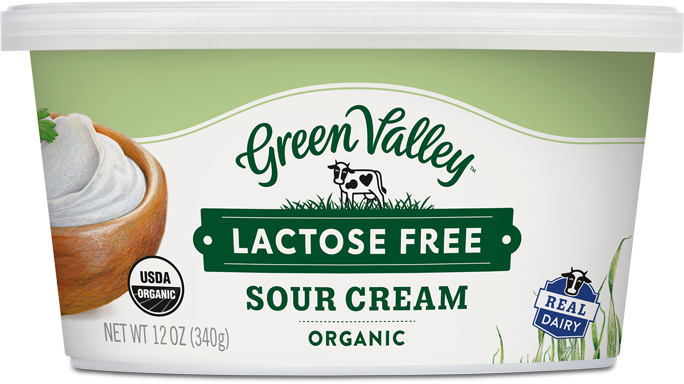
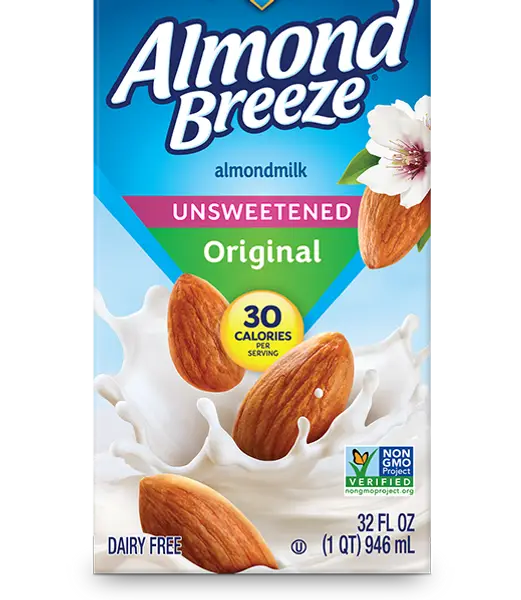
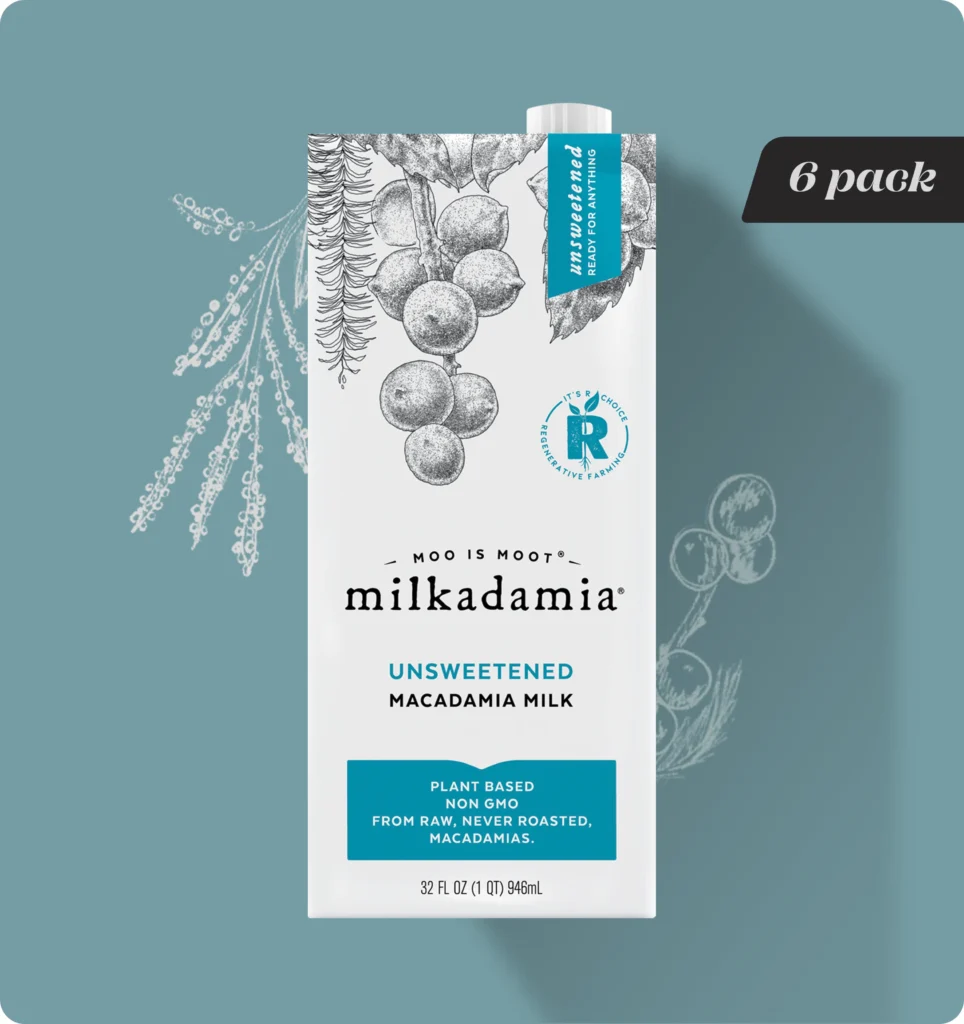
If coconut milk doesn’t sit well with you, consider:
- Lactose-free cream
- Almond milk (small serves)
- Macadamia milk
- Rice cream (check ingredients)
Each option has its own FODMAP limits, so portion awareness remains important.
Common Myths About Coconut Milk & FODMAPs
“Coconut milk is always high FODMAP”
❌ False; portion size defines FODMAP load.
“If it’s plant-based, it’s safe”
❌ Also false; many plant foods are high FODMAP.
“If I react once, I must avoid it forever”
❌ Not true; tolerance changes as the gut heals.
Practical Tips for Using Coconut Milk Gently
- Dilute coconut milk with water or stock
- Combine with protein and fibre
- Avoid eating late at night if fat-sensitive
- Chew slowly and eat mindfully
Small habits can make a big digestive difference.
Final Thoughts: Is Coconut Milk Low FODMAP?
So, let’s answer clearly and kindly:
Yes, coconut milk is low FODMAP at the right portion size.
It doesn’t need to be feared, only understood. With mindful use, coconut milk can absolutely have a place in a low FODMAP lifestyle, even for sensitive, healing guts.
You deserve food that nourishes and comforts you 🤍
FAQs – Coconut Milk & the Low FODMAP Diet
Is coconut milk low FODMAP for IBS?
Yes, coconut milk is low FODMAP at a serve of up to 60 ml and is usually well tolerated by people with IBS.
Can I use coconut milk every day on low FODMAP?
You can, as long as you respect portion sizes and avoid stacking with other high-polyol foods.
Is coconut milk better than dairy cream for IBS?
For many people, yes, especially if lactose triggers symptoms. Individual tolerance still matters.
Is coconut milk low FODMAP during reintroduction?
Coconut milk is typically reintroduced under the polyol category to test sorbitol tolerance.
Why does coconut milk still cause bloating for me?
Possible reasons include fat sensitivity, SIBO, stress, or combining it with other FODMAPs.